


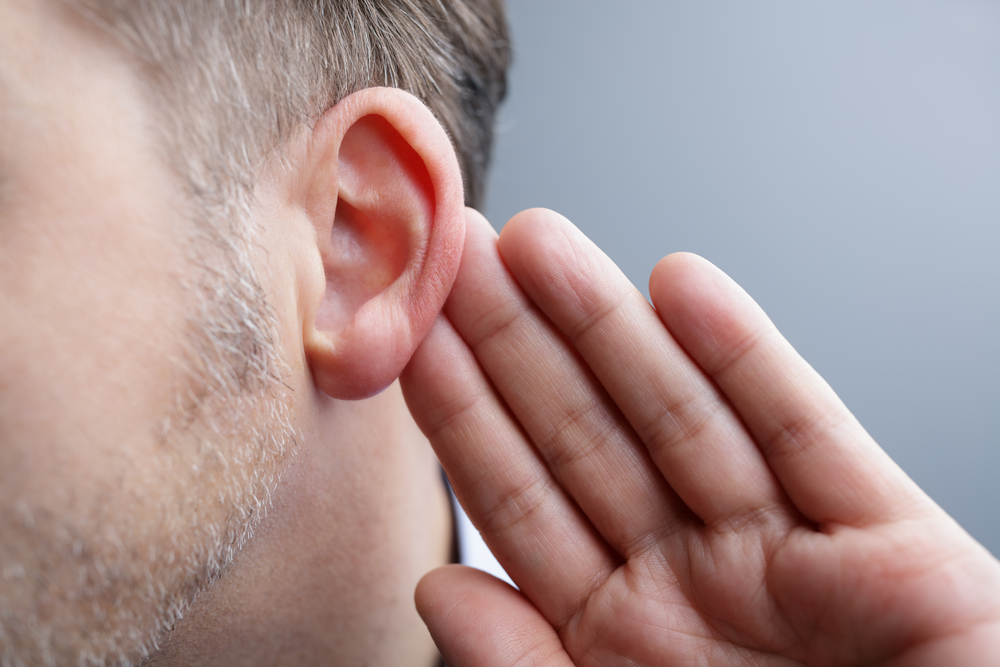
According to the World Health Organization (WHO), there are around 466 million people who are suffering from “disabling hearing loss” and not all of these people are elderly. In fact, WHO has projected that 1.1 billion people between the ages of 12-35 are at risk of experiencing permanent hearing loss due to loud noise exposure.
So, you may be asking yourself, how does that work? While there are simple lifestyle things you can do which impact your hearing, all it takes is one event, and you could lose some of your hearing permanently.
What Can Cause Single-Event Hearing Loss?
Most people have heard that hearing loss due to noise damage is a progressive problem. And for most people who come into one of our hearing clinics, that is usually the case. But sometimes, a person will come in for a diagnostic hearing evaluation after experiencing a single loud event, after which, their hearing has returned.
It is easy for people to take advantage of the fact that the human body is fairly resilient, and tend to expose themselves to sounds that are far too loud for their hearing to recover from. Some loud noises which can permanently damage your hearing after just one instance of exposure are:
-
Gunshots
-
Rock concerts
-
Fireworks and firecrackers exploding
-
General explosions
-
Too loud earbud use
There are some illnesses which can also result in permanent hearing loss such as chickenpox, mumps, and meningitis. As long as these diseases don’t occur while you are in utero, you can be vaccinated for them and avoid hearing loss due to these infectious illnesses.
As for hearing loss, which is caused by single events, there are several different things you can do to prevent hearing loss damage from occurring.
How To Prevent Potential Hearing Loss
When it comes to noise-induced hearing loss, it is a comforting thought that you can easily prevent this type of hearing loss. Some of the key things you should do to prevent potential noise-induced hearing loss are:
-
Use the right ear protection - Depending on your activity, there are different types of hearing protection, ranging from simple foam earplugs to electronic earmuffs which allow you to specify what sounds you want to be able to penetrate. Your hearing specialist can advise you on what hearing protection is right for you if there are any questions.
-
Have regular hearing evaluations - As progressive hearing loss is far more common, it is likely that you will suffer from a mild degree of hearing loss which will make it tough to protect yourself appropriately when it comes to other loud noises. By having your hearing tested annually, you will have a more accurate idea where your hearing is at and receive advice on how to care for your hearing in the future.
-
Reduce your overall noise exposure - The best protection for your hearing is to reduce the amount of exposure you have to loud noises. If you work in a field where loud noise is common, be sure you take the time to employ the necessary hearing protection.
By doing these things, you can protect and improve your hearing from hearing loss due to loud noise exposure.
Contact Hearing & Balance Doctors
This form is intended for genuine enquiries only.