


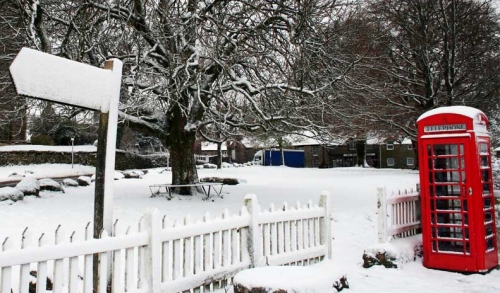
Lower outdoor temperatures are linked to an increase in the risk of heart attacks, according to a new study by scientists at the London School of Hygiene & Tropical Medicine
Lower outdoor temperatures are linked to an increase in the risk of heart attacks, according to a new study by scientists at the London School of Hygiene & Tropical Medicine (LSHTM).
For the study (published in the British Medical Journal and released online today at bmj.com), the researcher, led by Krishnan Bhaskaran of LSHTM found that each 1°C reduction in temperature on a single day is associated with around 200 extra heart attacks.
Bhaskaran and colleagues analysed data on 84,010 patients admitted to hospital with a heart attack between 2003 and 2006 and compared this with daily temperatures in England and Wales. The results were adjusted to take into account factors such as air pollution, influenza activity, seasonality and long term trends.
He found that a 1°C reduction in average daily temperature was associated with a cumulative 2% increase in risk of heart attack for 28 days. The highest risk was within two weeks of exposure. The heightened risk may seem small but in the UK there are an estimated 146,000 heart attacks every year, so even a small increase in risk translates to around 200 extra heart attacks for each 1°C reduction in temperature on a single day.
"Older people between the ages of 75 and 84 and those with previous coronary heart disease seemed to be more vulnerable to the effects of temperature reductions," comments Krishnan Bhaskaran, "while people who had been taking aspirin long-term were less vulnerable." He continues, "We found no increased risk of heart attacks during higher temperatures, possibly because the temperature in the UK is rarely very high in global terms. Our results suggest that even in the summer, the risk is increased by temperature reductions." In conclusion, he says "our study shows a convincing short term increase in the risk of myocardial infarction (heart attacks) associated with lower ambient temperature, predominantly in the two weeks after exposure."
He says that further studies need to be conducted to see what measures could be used to avoid the increased risk, such as advising patients, particularly the elderly, to wear suitable clothing and to heat their homes sufficiently.
Contact David Fewster - Worldwidehealth Editor
This form is intended for genuine enquiries only.