


With scientific evidence linking high levels of copper and iron to Alzheimer's disease, heart disease, and other age-related disorders, a new report in ACS' Chemical Research in Toxicology suggests specific steps that older consumers can take to avoid build up of unhealthy amounts of these metals in their bodies. "This story of copper and iron toxicity, which I think is reaching the level of public health significance, is virtually unknown to the general medical community, to say nothing of complete unawareness of the public," George J. Brewer states in the report.
The article points out that copper and iron are essential nutrients for life, with high levels actually beneficial to the reproductive health of younger people. After age 50, however, high levels of these metals can damage cells in ways that may contribute to a range of age-related diseases.
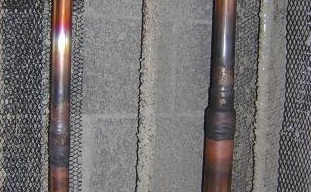
"It seems clear that large segments of the population are at risk for toxicities from free copper and free iron, and to me, it seems clear that preventive steps should begin now." The article details those steps for people over age 50, including avoiding vitamin and mineral pills that contain cooper and iron; lowering meat intake: avoiding drinking water from copper pipes; donating blood regularly to reduce iron levels; and taking zinc supplements to lower copper levels.
Contact David Fewster - Worldwidehealth Editor
This form is intended for genuine enquiries only.