


During the National Allergy Week last month Allergy UK carried out a survey to discover when and how hay fever starts and impacts on sufferers. The results from the survey clearly show that many of the long held beliefs about hay fever are no longer proving to be the case.
For example many believe that hay fever starts in childhood yet almost half of the 1,200 respondents from 12 different countries reported that their symptoms developed in adulthood.
Another long held belief is that hay fever symptoms can be well controlled yet less than half those surveyed stated that their symptoms were adequately controlled.
Given that hay fever increases the risk of developing asthma the authors of the report say that this is a very worrying trend and there must be future recognition that hay fever is not the trivial condition it is currently regarded as.
Hay fever is by far the most common allergic condition in Britain that can lead to long- term illness yet sufferers report that they receive the least help in the diagnosis and management of their condition.
The Stolen Lives report gives the sufferers perspective on their condition and how it impacts on them particularly on their work, education and family lives. Over 75% of people reported that they would prefer a natural alternative and 72% would be happy for themselves or their child to try a natural product to help them relieve their symptoms. However, the importance of managing symptoms effectively usually means using a combination of natural treatments, medication, and steps to reduce exposure to triggers.
Sufferers are advised that when they go out they should shower and wash their hair on return; change their clothing before coming back into the living room or bedroom; keep windows closed when indoors and overnight whilst they are sleeping and cleaning and clearing pollen from the nose with a natural sea water nasal spray.
To download a copy of the Stolen Lives 6 report, Click Here
Picture caption:
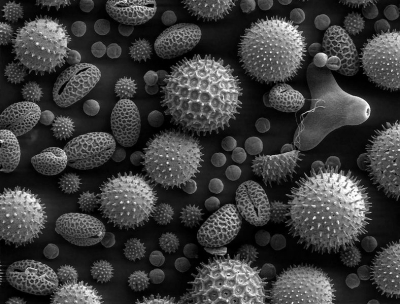
Pollen grains from a variety of common plants can cause hay fever.
Contact David Fewster - Worldwidehealth Editor
This form is intended for genuine enquiries only.