


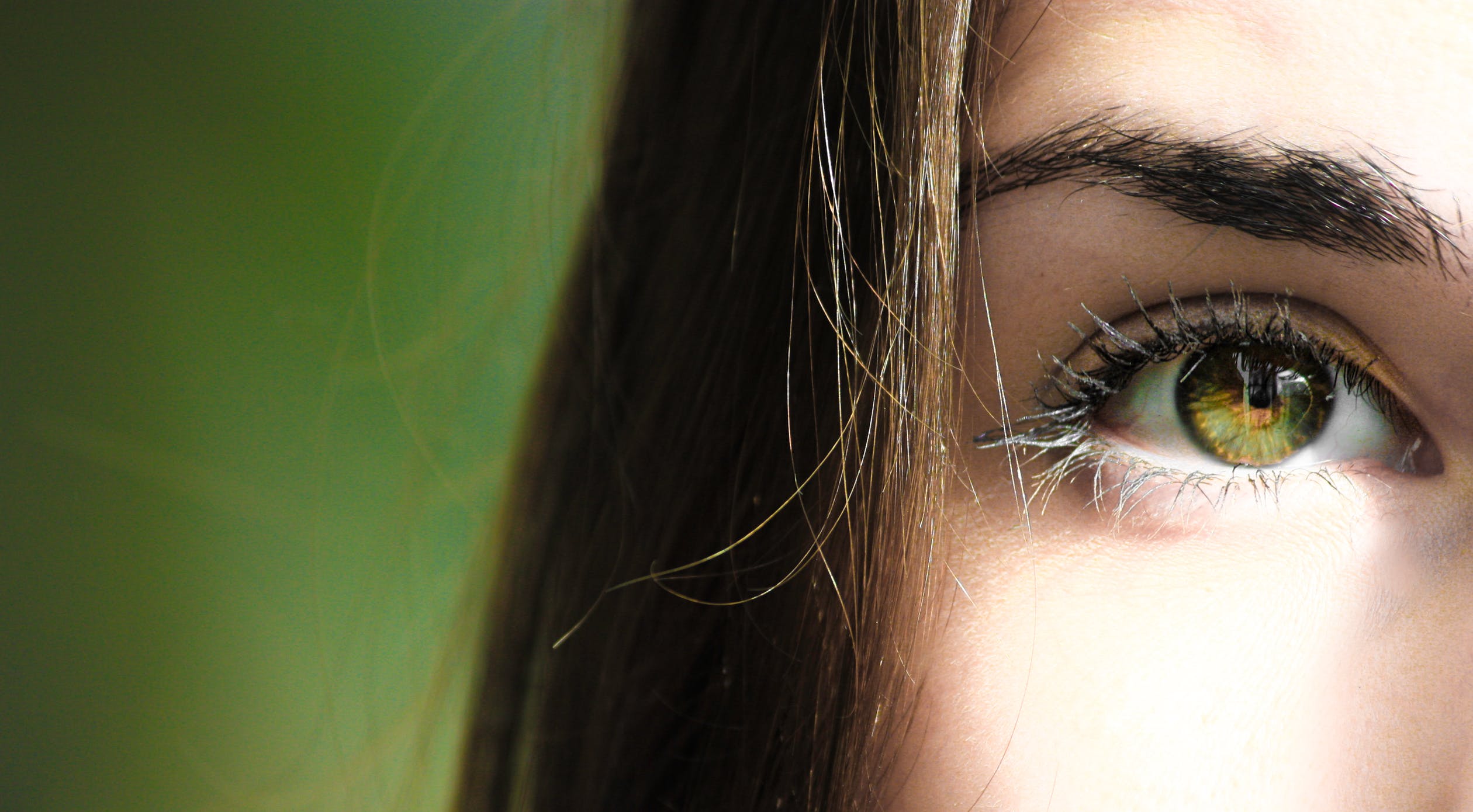
There is a strong correlation between the things that you eat and your eyesight. If you want to try to avoid losing your eyesight someday, then you need to make sure that you are getting enough nutrients in your diet every day. While eating a well-balanced diet is a great place to start, here are specific nutrients that you may want to be sure to eat to protect your sight.
Get Enough Omega-3 Fatty Acids
Eating a diet high in omega-3 fatty acids may help your eyes drain properly preventing intraocular fluid buildup that can cause high eye pressure and glaucoma. Eating foods that are high in omega-3 fatty acids may also help prevent macular degeneration and dry eye syndrome. While oily fish like salmon and tuna are great choices to get omega-3 in your diet, there are many foods that you can consume that are high in omega-3 fatty acids including roasted soybeans, walnuts, chia seeds and flaxseed. You should aim to eat about 500 milligrams of omega-3 fatty acids daily.
Consume Vitamin C
While you may be more familiar with Vitamin C ability to ward off viruses and colds, it turns out this vitamin is really good for your eyes. This vitamin helps to form collagen which is found in the cornea of your eye. It is also essential to protecting the capillaries found in the retina. You can get Vitamin C from many different sources including cantaloupe, oranges, grapefruit, mangos and strawberries. Since any unused portion of Vitamin C washes out of the body in urine, it is important to consume this vitamin daily.
Eat Vitamin E
Vitamin E is a group of eight compounds called tocopherols and tocotrienols. These compounds may help to stop macular degeneration along with possibly helping stop cataracts. Eating a variety of foods from the Vitamin E group is especially important for natural eye care because some foods are higher in some of the compounds that are others. Foods that are high in Vitamin E include wheat germ oil, sunflower seeds, hazelnuts and almonds. While the body can store small supplies of Vitamin E for a short time, try to consume 22 international units of this vitamin daily.
Making a list of your favorite foods from each of these groups and using them to create your grocery list can be a great way to take care of your eyes. Starting as early as possible means that you may not have any vision problems as you age. Be sure to take care of your eyes by eating right because you only get one pair.
Contact Hannah Whittenly
This form is intended for genuine enquiries only.