


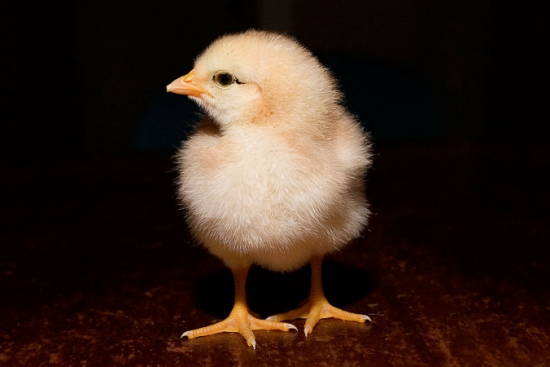
The New Mexico Department of Health advises families to avoid potential exposure to salmonella by not giving baby chicks and ducklings to children as Easter gifts. New Mexico has had salmonella cases related to baby chicks in the last few years.
"Some of the risk factors for people getting sick with salmonella from baby chicks were keeping them inside the house and allowing small children to handle and snuggle with the baby birds," said Dr. Paul Ettestad, state public health veterinarian at the Department of Health. "Some small children didn't handle the baby birds at all, but their parents did not wash their hands properly after handling the birds and gave the infection to their children indirectly."
Ettestad said many chicks and young birds carry salmonella in their droppings and it is difficult to know if animals are carrying salmonella because they will not usually show signs of illness.
"While there are many legitimate reasons to purchase baby chicks to raise for food, we are asking feed stores around the state to strongly discourage people from buying baby chicks as pets, especially if they have young children," Ettestad said.
Early symptoms of salmonella in people include fever, diarrhoea and abdominal pain. These symptoms develop within one to three days after exposure to baby chicks and their droppings. Other symptoms might be nausea, chills or headaches.
Important preventive measures people can take include the following:
- Do not purchase live animals as Easter gifts. Give stuffed toy animals instead.
- Do not keep chicks or ducklings if you have children younger than five.
- Always wash your hands with soap and water after touching chicks or ducklings or anything in their environment.
- Supervise hand washing for small children to make sure it is adequate.
- Do not eat or drink around your chickens.
- Keep chickens away from food preparation areas.
- Do not allow chickens to roam freely in the house.
- Visit your physician if you experience abdominal pain, fever and/or diarrhoea.
To learn more about safe and healthy pets for children, visit the Centres for Disease Control and Prevention website at: http://www.cdc.gov/healthypets/easter_chicks.htm.
Photo: Fir0002/Flagstaffotos
Contact David Fewster - Worldwidehealth Editor
This form is intended for genuine enquiries only.