


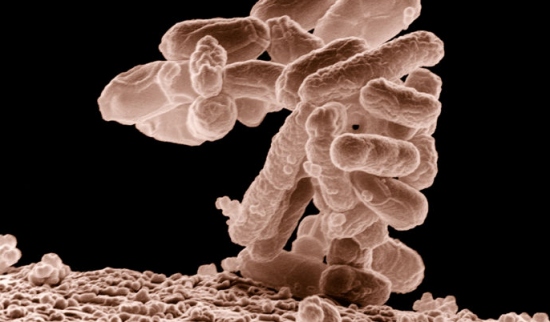
A pregnant woman's exposure to microbes may protect her child from developing allergies later in life. Researchers in Marburg, Germany find that exposure to environmental bacteria triggers a mild inflammatory response in pregnant mice that renders their offspring resistant to allergies. The study is published online in the December Journal of Experimental Medicine (www.jem.org). In an accompanying Commentary, Patrick Holt and Deborah Strickland discuss the biological mechanisms behind these findings and how they might one day prevent allergies in people.
The progressive rise in allergies in the past several decades is often attributed to an increasing tendency to keep kids too clean-a theory known as the hygiene hypothesis. According to this theory, exposure of young children to environmental microbes conditions the developing immune system to tolerate microbes and allergens later in life. Studies have shown, for example, that children raised on farms, which teem with microbes, developed fewer allergies than those raised in cities or non-farming rural regions. But it may not be the kids' exposure that counts; children of farming mothers are also less susceptible to allergies regardless of their own exposure. But the biological mechanisms behind this phenomenon were a mystery.
According to the new study by Harald Renz and colleagues at the Phillips-University of Marburg, pregnant mice exposed to inhaled barnyard microbes gave birth to allergy-resistant pups. The exposure triggered a mild inflammatory response in the moms, characterized by the increased expression of microbe-sensing "Toll-like" receptors (TLRs) and the production of immune molecules called cytokines. The maternal TLRs were essential for transmitting protection, but how TLR signals translate into allergy resistance in the offspring is not yet known. It also remains to be seen whether the protection applies to a broad range of allergens, including those found in food.
Contact David Fewster - Worldwidehealth Editor
This form is intended for genuine enquiries only.