


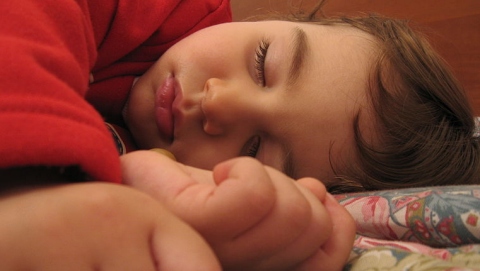
Study finds inadequate sleep a risk factor for childhood obesity, especially among boys, middle school students
Adolescents who don't get enough sleep may gain more than some extra time to play video games or text their friends. They also may gain weight, according to research recently presented.
Other studies have shown a relationship between sleep and weight issues, particularly in young children. However, this is one of the first studies to document an association between sleep duration and weight in adolescents, even after controlling for calorie intake, activity level and depressive symptoms.
In research led by Leslie A. Lytle, PhD, from the Center for Child Health, Behavior and Development at Seattle Children's Research Institute, study investigators collected data on 723 adolescents (mean age 14.7 years) about how long they slept on weeknights and weekends, and how frequently they experienced sleep problems. On three separate occasions, researchers also asked the youths about the foods and beverages they had consumed the prior day to determine how many calories they consumed.
To measure activity, participants wore accelerometers on their belts for seven days. Unlike pedometers, which count the number steps walked, these highly specialized devices measure movement on three different planes. In addition, the wearer cannot see any data on how active they are.
"The use of accelerometers and 24-hour (dietary) recalls was unique in the study of sleep and weight in youth and is a real strength of the study," Dr. Lytle said.
Researchers also measured participants' weight, body mass index (BMI) and percentage of body fat.
Results showed that shorter sleep duration was related to higher BMI. The relationship was especially strong for boys and for middle school students compared to those in high school. In girls, only less sleep on weekends was related to higher BMI.
"Sleep has long been recognized as an important health behavior," Dr. Lytle said. "We are just beginning to recognize its relationship to overweight and obesity in children and adults alike."
Contact David Fewster - Worldwidehealth Editor
This form is intended for genuine enquiries only.