


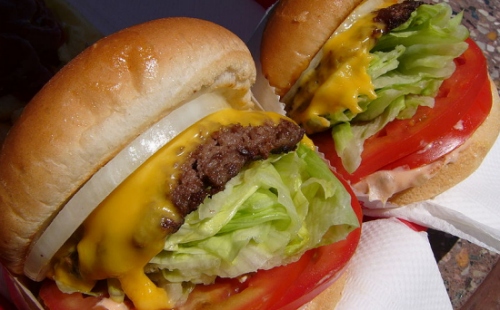
In a new study, the amount of calories selected by parents for their child's hypothetical meal at McDonald's restaurants were reduced by an average of 102 calories when the menus clearly showed the calories for each item. This is the first study to suggest that labelled menus may lead to significantly reduced calorie intake in fast food restaurant meals purchased for children. Led by researcher Pooja S. Tandon, MD, from Seattle Children's Research Institute, these findings support nutritional menu labeling and show that when parents have access to this information they may make smarter meal choices for their children.
At a paediatric practice in Seattle, 99 parents of 3- to 6-year-olds who sometimes eat in fast food restaurants with their children were surveyed about their fast food dining habits. They were presented with sample McDonald's restaurant menus which included current prices and pictures of items, and asked what they would select for themselves and also for their children as a typical meal. Half of the parents were given menus that also clearly showed calorie information for each item. Choices included most of the items sold at McDonald's, including a variety of burgers, sandwiches, salads, dressings, side items, beverages, desserts and children's "Happy Meals." Parents who were given the calorie information chose 102 fewer calories on average for their children, compared with the group who did not have access to calorie information on their menus. This reflects a calorie reduction of approximately 20%. Notably, there was no difference in calories between the two groups for items the parents would have chosen for themselves.
"Even modest calorie adjustments on a regular basis can avert weight gain and lead to better health over time," said Dr. Tandon, research fellow at Seattle Children's Research Institute and the University of Washington School of Medicine. "Just an extra 100 calories per day may equate to about ten pounds of weight gain per year. Our national childhood obesity epidemic has grown right alongside our fast food consumption. Anything we can do to help families make more positive choices could make a difference. Interestingly, by simply providing parents the caloric information they chose lower calorie items. This is encouraging, and suggests that parents do want to make wise food decisions for their children, but they need help. Now that some areas are requiring nutritional information in chain restaurants, we have opportunities to further study what happens when we put this knowledge in the hands of parents."
There was no correlation between the families' typical frequency of fast food dining and calories selected, for either parents or children.
A growing number of jurisdictions across the country have begun mandating that nutritional information be readily available at point-of-ordering in chain restaurants. Currently more than 30 localities or states are considering policies that would require calories and other nutrition information to be clearly visible-four have already implemented policies. Federal menu labeling standards have also been discussed as part of health care reform legislation.
Contact David Fewster - Worldwidehealth Editor
This form is intended for genuine enquiries only.