


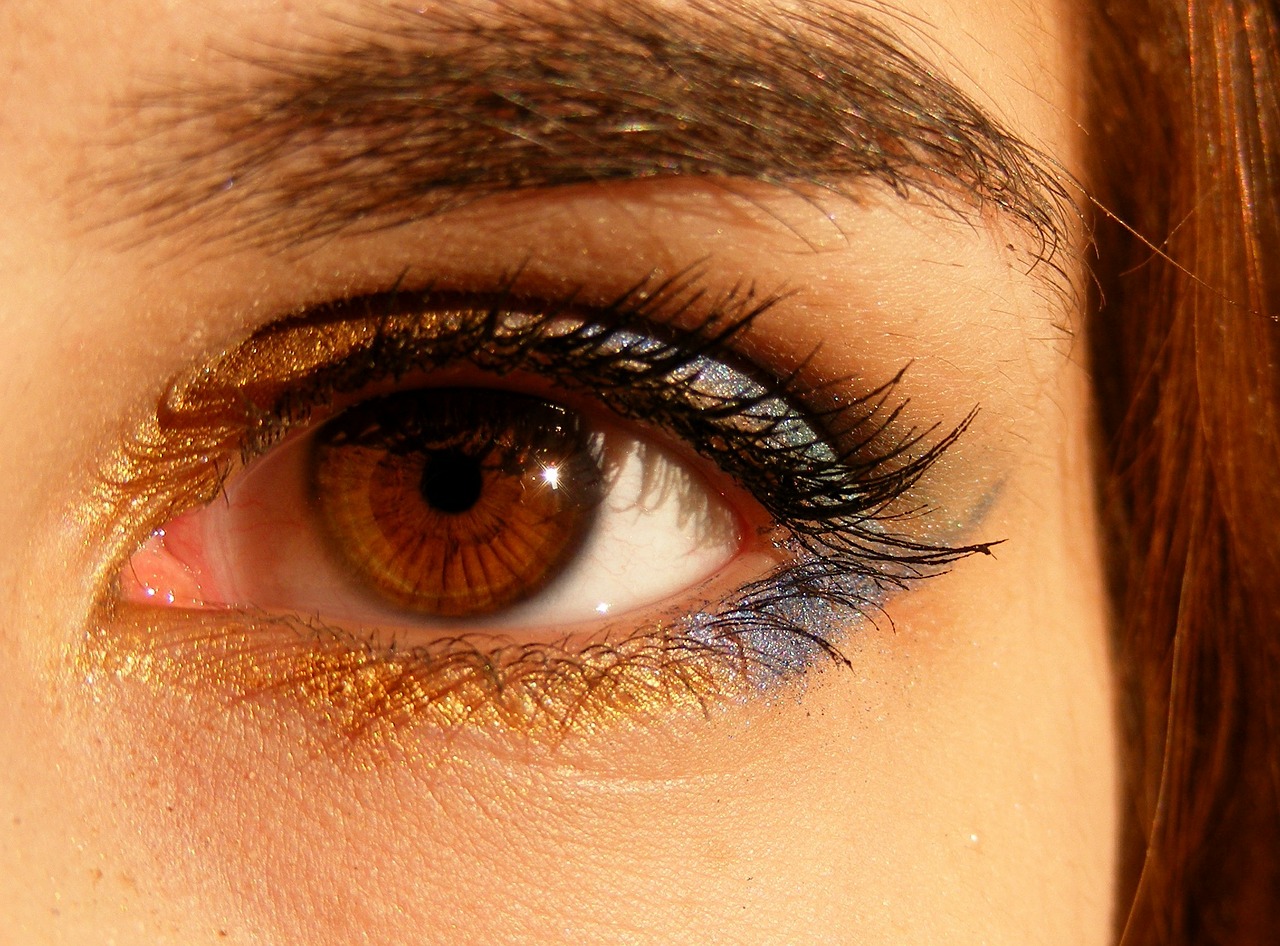
Routine visits to have your eyes looked at by an optometrist at a vision center like All About Eyes are incredibly important. While many people believe it's all about checking for near or farsightedness, there are various other vital things your optometrist looks for during your eye appointment.
<b>The Proper Function of Your Eyes</b>
Your optometrist will use various tests to check on your vision. In addition to the sharpness of your vision, the optometrist will also check your ability to recognize colors. This can alert the eye doctor to colorblindness or other conditions that can affect your ability to see certain colors.
The optometrist will also check to see if your eyes work in concert and if there are any issues with your eye movements. These all go towards ensuring your eyes function properly.
<b>The Health of You and Your Eyes</b>
Functioning eyes doesn't always mean healthy eyes. An optometrist will check the health of each part of your eye. This type of preventive care can help to spot problems early. This can allow the optometrist to help you treat the possible problem before it turns into a far larger issue.
The health of your eyes will also alert your optometrist to issues that affect your overall health. For example, your eyes can give off early warning signs for things like diabetes, MS, high blood pressure, and even certain cancers.
<b>Whether You Need Corrective Lenses</b>
Corrective lenses aren't only to help you see better, they can also help to mitigate the effects of numerous eye conditions.
The optometrist will perform several tests to see you need corrective lenses, and exactly how strong of a prescription you need. These tests can also let the optometrist know if you're a candidate for any type of corrective eye surgery.
<b>Dangerous Eye Conditions</b>
One of the most important things your optometrist will check for are dangerous eye conditions. Your eyes can suffer from any of a number of degenerative eye conditions and diseases. The optometrist will look for signs of eye infections, cataracts, corneal disease, glaucoma, macular degeneration, and a whole host of other conditions that affect eyes.
Keep in mind that poor or failing eyesight can often represent a sign of a much larger eye condition. Often, these conditions start to develop far before symptoms show up. An optometrist will look for even the smallest signs of a developing condition to help you stay ahead of them.
Your eyes are complex organs that require expert care. Your optometrist has the skill, training, and experience to make sure they're functioning as they should.
Contact Marlena Stoddard
This form is intended for genuine enquiries only.