


Most laboratories make useful products, but they also produce wastes. Unfortunately, several laboratory owners don't always dispose of these wastes safely. There have been several cases of dangerous chemicals and materials released in the air, water, and ground by laboratory workers and owners. Pollution can cause serious health problems for everyone around the area, and when released into the air and water, it can cause illnesses to people living even far away from the laboratory.
Fires and Explosions
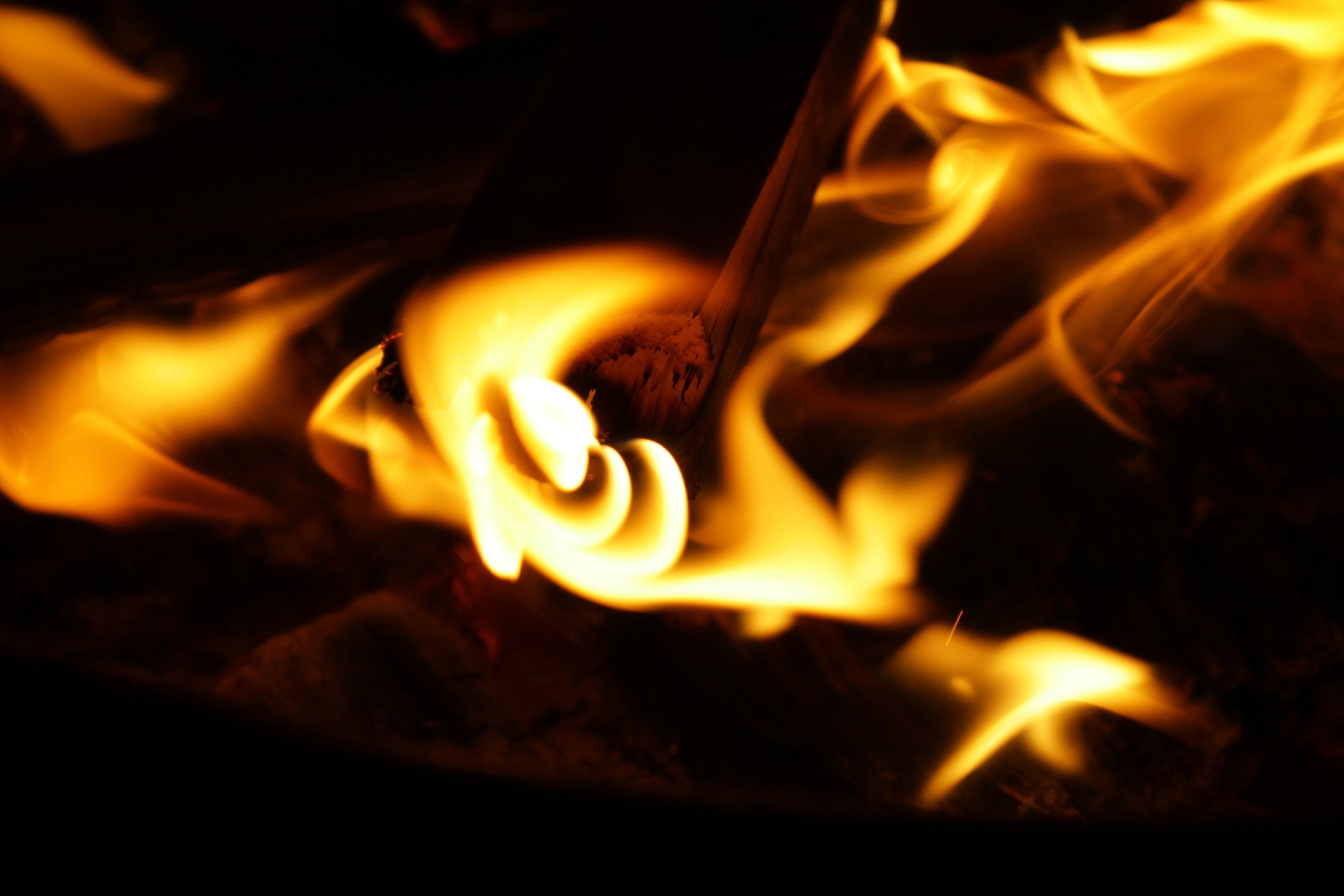
One of the health risks community members' face is fire. Fires in laboratories occur when oxygen, flammable materials, and fire catalysts are available. Explosions often depend on the atmosphere of the flammable mixture material with oxygen. To prevent such fires and explosions you can minimize or substitute the use of flammable materials. However, if that cannot be possible you can avoid ignition sources like volatile chemicals by finding the right laboratory air mixer, which will reduce the risk of causing explosions since they are better able to handle flammable materials than electric mixers.
How Laboratory Fires Cause Pollution
A chemical leak can cause harm to the whole community. According to recent statistics, there are over 500 deaths caused by chemical fires in laboratories every year. The chemical leaks can come from machinery inside the lab, explosions in pipes, or containers that hold dangerous gasses or liquids. Chemical explosions produce poisonous smoke through the air. The water that is used in putting off the fire can also carry chemicals into rivers and lakes. Having such chemicals end up in our drinking water can then lead to cancer and other such diseases.
Fires in laboratories may not only lead to damages and losses, but can also hamper the economy. In the United States, three explosions occur every day on average according to a recent statistical analysis conducted by accident insurance companies dealing with chemical industries and other related sectors. That is over a thousand explosions happening that have the ability to impact our environment and community members’ health. Fortunately, most fires don't cause big problems due to the health safety measures put in place. However, you should know that small workshops such as garages are under high risk of explosions due to the frequent use of highly volatile hydrocarbons used for cleaning and spray painting.
Common Materials that can Cause Exothermic Oxidation Reactions
· Liquids such as solvents, paints, fuels, greases, thinners, and oils
· Gasses such as propane, hydrogen, butane, carbon monoxide, and methane
· Solids such as coal, foods, wood, metals, and plastics.
Oxygen is available in high quantities from the air to start a fire, sustain it, and fuel it. However, fires can start easily and become more powerful depending on the flame volume and the energy being released after oxygen levels are increased. For instance, after oxygen cylinders burst or when substances that release oxygen such as peroxides are present.
How to Identify Fire and Explosion Risks
Companies have the responsibility of conducting risk assessments. These are careful examinations on what can cause harm to workers and the community. These examinations can help you to know which precautions to take.
Fire is one of the hazards that can cause harm to workers and the public by causing burns and releasing heat, smoke, fire gasses, and also weaken structures. This can easily cause an explosion if an explosive environment develops. It is important to identify fire related substances in the lab. These can include gasses, solids, flammable liquids, and aerosols. Make sure you establish all relevant parameters such as vapor pressure, explosion limits, flash points, and calorific value of the identified substances.
It is imperative to have safe systems in your lab or place of work, and equally important to be prepared in case of an accident. Some of the plans that you should have in place include firefighting, a first aid organization, and an evacuation plan. You can establish this based on the company's risk assessment. Remember to involve all your staff and consultants in regular drills on how to respond in case of an explosion.
Due to the impact that these events could have on the community, this is imperative to pay attention to. Otherwise, we could all be drinking a lot more water with a lot more cancer-causing chemicals in it.
Contact Marlena Stoddard
This form is intended for genuine enquiries only.