


For some people, losing weight is a life-saving endeavor. Dropping just five percent of your body weight can reduce your risk of heart disease and diabetes. Much attention is given to weight loss in the media, from magazines filled with thin, bikini-clad stars on tropical beaches to social media advertisements with attractive, thin models promoting the latest product.
Unfortunately, the focus on weight has led many people to set goals that are unrealistic and destructive.
Focus on Weight
The biggest mistake people make when setting weight-loss goals is to focus on the weight alone. Although we all know the number on the scale is important, it should not be your only measure of success.
When you exercise, your body burns fat and increases muscle. Although you may have heard that a pound of fat weighs more than a pound of muscle, this is not necessarily true as a pound is a pound. The difference is that muscle is denser than fat. The better comparison is a pound of feathers and a pound of nails. It takes far more feathers to weigh a pound than it does nails. Therefore, the more muscle you have, the more you could weigh, but the leaner your body will look.
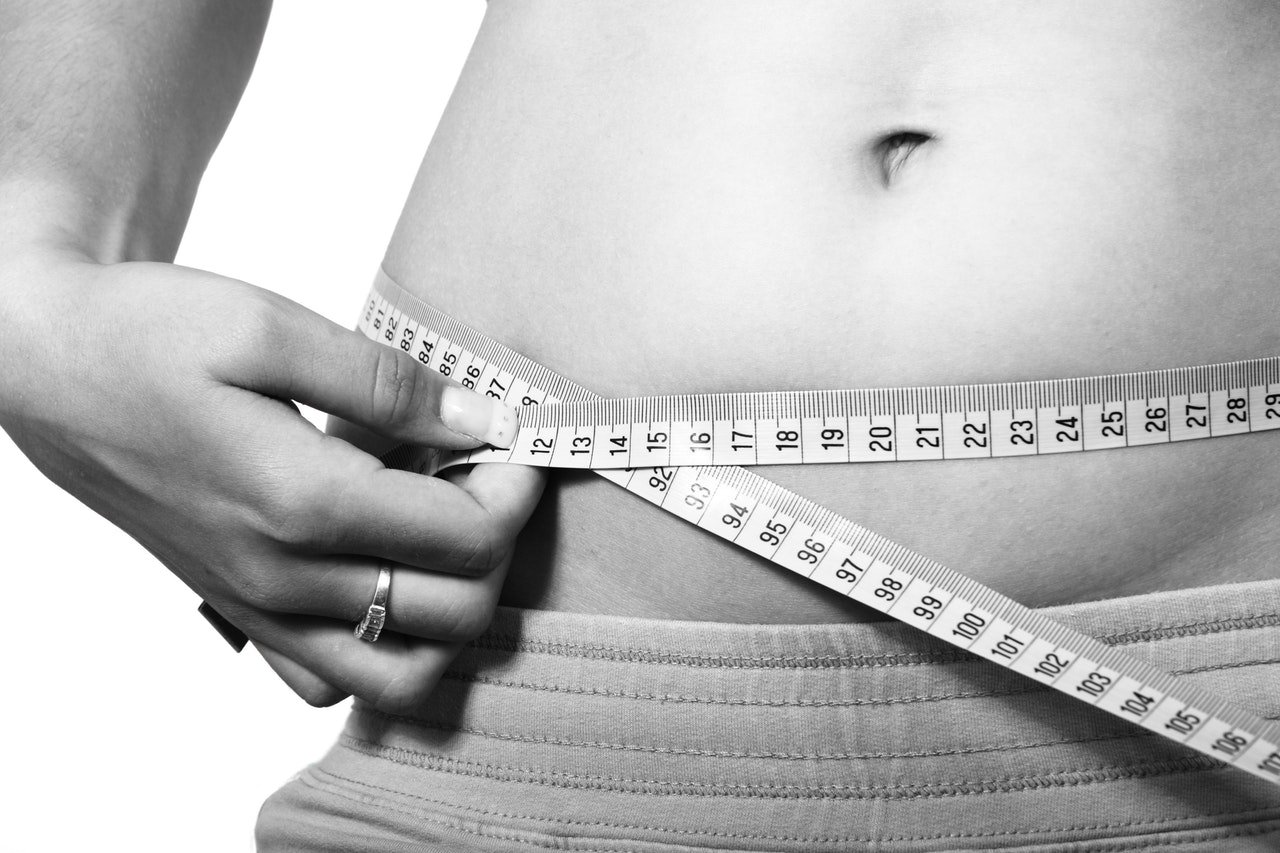
Experts recommend taking your measurements throughout your weight loss journey rather than focusing only on the scale. You may find that the tape measure moves down faster than the scale if you are working out regularly and your body will look leaner. You should also use your health as a measurement. If your blood pressure is under control without medication or your cholesterol levels drop, you are making progress even if the scale doesn’t seem to be moving.
Setting a Goal that is Too Low
Women are often guilty of setting a weight loss goal that is too low. After having children, a woman’s body changes. If you are a mother, it is highly unlikely you will ever weigh what you did in high school. Instead of focusing in a set weight, aim for a weight that puts you in a healthy BMI range.
Talk to your doctor about what a healthy weight for your body type would be as well. Aiming for a body weight that is too low could lead to an eating disorder and the need for professional advice from companies like Reasons Eating Disorder Center, frustration when you cannot reach the goal and difficulty maintaining the goal once you have reached it.
Unrealistic Body Image
The media is filled with people who look thin, fit and attractive. Too often, we set weight-loss goals based on what these images look like, claiming that we want to fit into a bathing suit worn by a super model or a slinky dress like an actress at a premiere. The fact is that many of the photos you see in the media are airbrushed or edited to make the model look thinner, more attractive and healthier.
It has been said that if you ran into a celebrity on the street, you may not recognize them because they look completely different without the hair extensions, makeup and tummy-flattening undergarments. Instead of trying to look like someone famous, work on your health and self-esteem. This will go much farther than trying to look like someone else.
Losing Too Quickly
We live in an instant gratification society and weight loss is no exception. We want to be a healthy weight as fast as we can, but, in reality, this is not at all healthy. Many times, people decide to “lose 20 pounds before my class reunion” or to “get thin before my July vacation.” This means they set up unrealistic expectations based on dates rather than how the body actually works.
Losing weight too quickly can have many consequences. For one, your skin has difficulty keeping up with your weight loss. This means you could face loose, hanging skin that must be surgically removed because of rapid weight loss.
Losing too rapidly may also mean you are not eating nutrients necessary to keep you healthy. Although a low-calorie diet may help you lose quickly, a diet with too little calories would mean you are not getting the nutrients you need to remain healthy. This could lead to significant health problems as well.
It is important to set the right goals when you are on a weight loss plan. Trying to lose more weight than is healthy, losing too quickly or an unhealthy body image could sabotage your efforts to get healthy and make you less likely to achieve your goals.
Contact Marlena Stoddard
This form is intended for genuine enquiries only.