


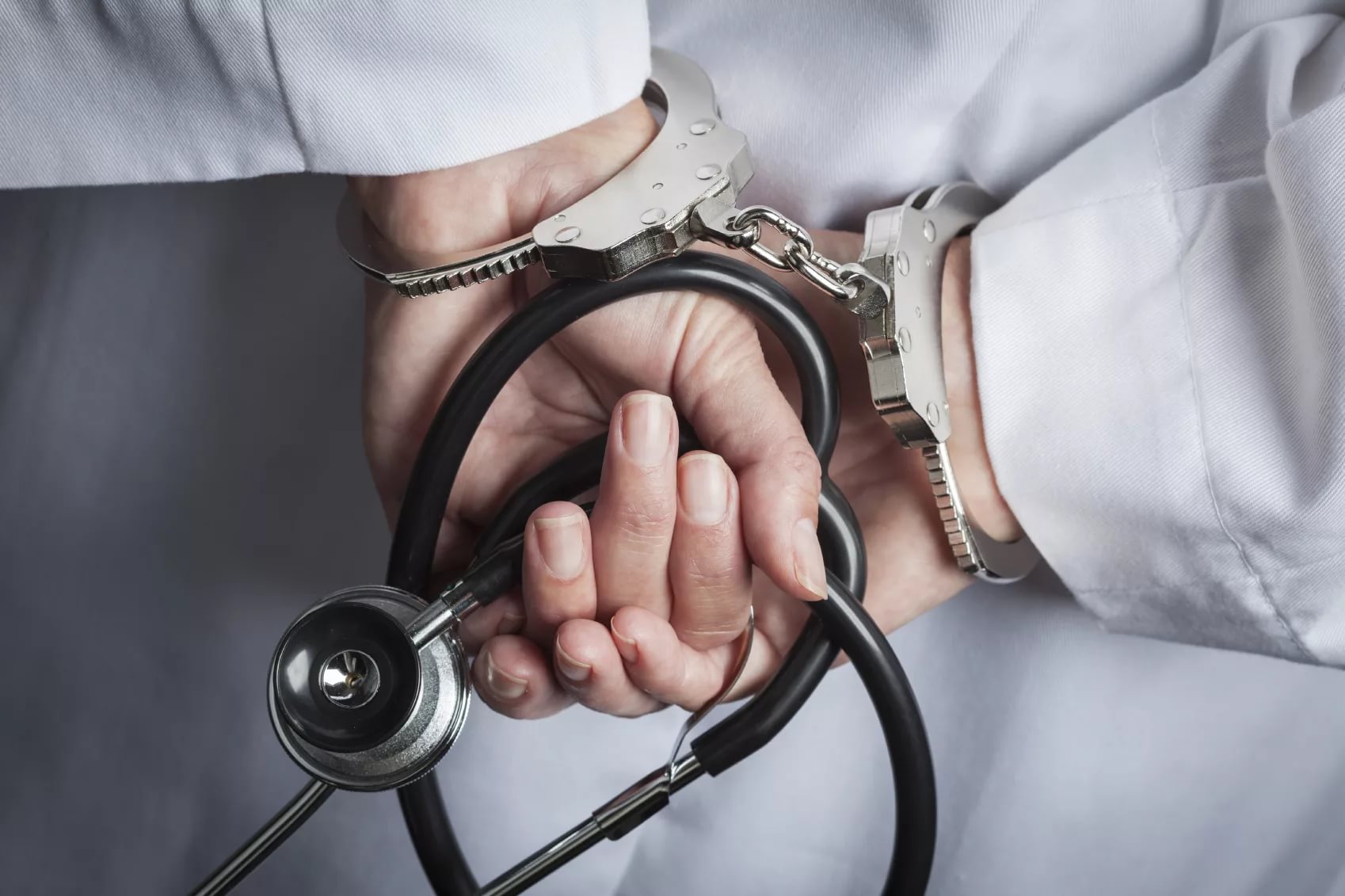
Healthcare professionals are responsible for providing an accurate diagnosis, and following through with the best treatment for your condition. However, when misdiagnosis, poor treatment, or surgical errors happen, you or a family member are the ones to suffer. You may be entitled to compensation. Here are some signs that your healthcare provider has made mistakes.
1. The Treatment Doesn't Work
If the treatment that's been prescribed for you isn't improving your health, it's a good sign that you received a poor diagnosis. This can lead to several bad outcomes. If you're being treated for the wrong malady, the original problem may worsen.
When you're given the wrong medications, there's a possibility they could lead to other medical problems. Needless physical treatments can cause you pointless pain and suffering. Improper care will be wasting your time, money, and making your health worse.
2. You Received a Hasty Diagnosis
Doctors pay for malpractice insurance, an industry that collected over $106 billion in 2016. The consequences of poor medical care are much lower for your doctor than for you. Every diagnosis should include a thorough exam and testing with all the equipment appropriate to your problem, such as lab tests and x-rays.
A physician who jumps to conclusions is being negligent. If you continue to suffer, and your doctor didn't listen or did a hasty exam, it's possible you were misdiagnosed.
3. Treatments Aren't Right for the Problem
Doctors are often accused of diagnoses that will inflate their fees, whether deliberately or subconsciously. For instance, if your doctor is recommending invasive spinal tests for what's really muscle strain, he/she is irresponsible and putting you at risk.
Extreme treatments or clinical tests should only be administered after milder solutions have been ruled out. Should you feel that your doctor is recommending or performing excessive treatments, you may be the victim of malpractice.
4. Get a Second Opinion
When a physician provides a diagnosis or treatment that seems inappropriate, get a second opinion. If another doctor reaches a different conclusion, there's a chance that the first is guilty of malpractice.
You may even look for a third opinion. According to the Dolman Law Group, some of the most commonly misdiagnosed conditions include cancer, heart disease, diabetes, and multiple sclerosis. The sooner your condition is properly diagnosed, the sooner it can be treated.
Caregivers are expected to observe high standards. In the event your caregiver has made errors that cause pointless suffering, you should consult an experienced malpractice attorney.
Contact Marlena Stoddard
This form is intended for genuine enquiries only.