


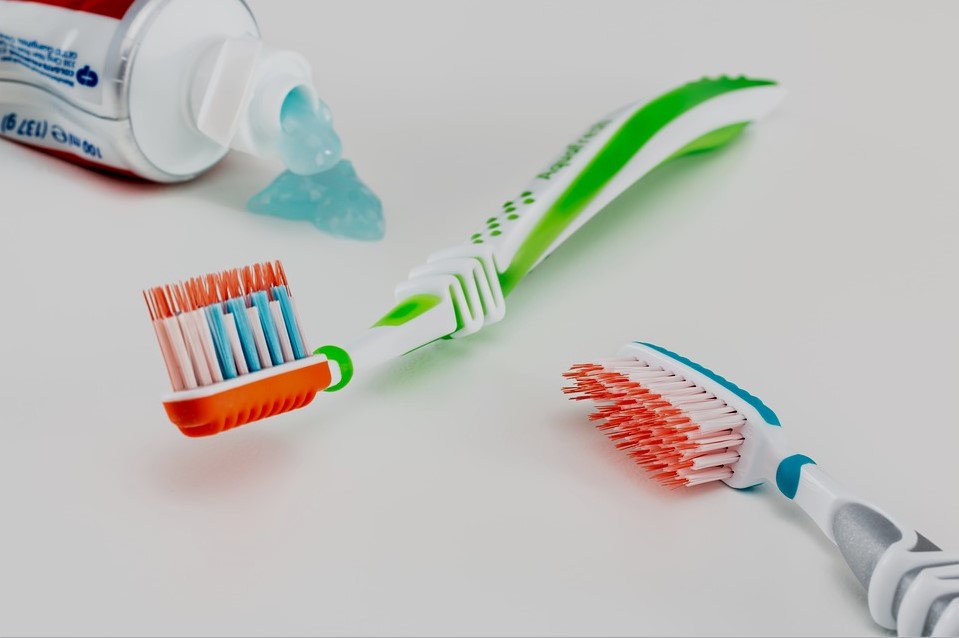
Half of Americans aged 30 and over have mild, moderate or severe periodontal disease. Periodontal disease is inflammation of the gums caused by a buildup of plaque and bacteria. The main symptom is bleeding gums, and it can lead to tooth loss if not treated. If you've noticed tinges of pink in your toothpaste, read on to discover four steps that can save your teeth.
Use Mouth WashMany people think of mouth wash as a quick way to freshen your breath in the morning, but it can also prevent and treat periodontal disease. Mouth wash combats periodontal disease by killing the bacteria that collect around your gums. Choose a mouth wash that has been proven to kill at least 99% of germs, and always go for an alcohol-free version. Mouth washes that contain alcohol may increase your risk of oral cancer, especially if you smoke.
Visit a DentistRegular dentist visits are important not only for diagnosing periodontal disease but also for treating and preventing it. The best way to take care of your gums is to get regular cleanings at your dentist's office so your hygienist can remove all the plaque buildup. Don't have a dentist? Ask friends and family for recommendations or search online for a dentist in your city.
Limit SugarSugar is one of the worst substances for your teeth and gums. Added sugar, as opposed to the natural type that occurs in foods like fruit, is even worse. If you have periodontal disease, it's important to restrict the amount of added sugar in your diet. Avoid foods like soda and candy. If you have diabetes or pre-diabetes, consider getting dental cleanings more often.
Floss DailyLike mouthwash, flossing your teeth is a part of your oral hygiene routine that plays a big role in the prevention and treatment of periodontal disease. Flossing gets in between your teeth to remove debris that can lead to plaque and bacterial growth. Despite the importance of flossing, only 30% of Americans actually do it every day. Choose a floss that glides easily between your teeth and use a sawing motion to gently clean around every tooth.
Although these four steps can make a big difference in your gum health, sometimes periodontal disease requires more aggressive treatment. If your bleeding gums persist, see a dentist to discuss your options. Special toothpastes, antibiotics or deep cleaning may be necessary. Extreme cases of periodontal disease often require procedures like flap surgery or gum grafts.
Contact Marlena Stoddard
This form is intended for genuine enquiries only.