


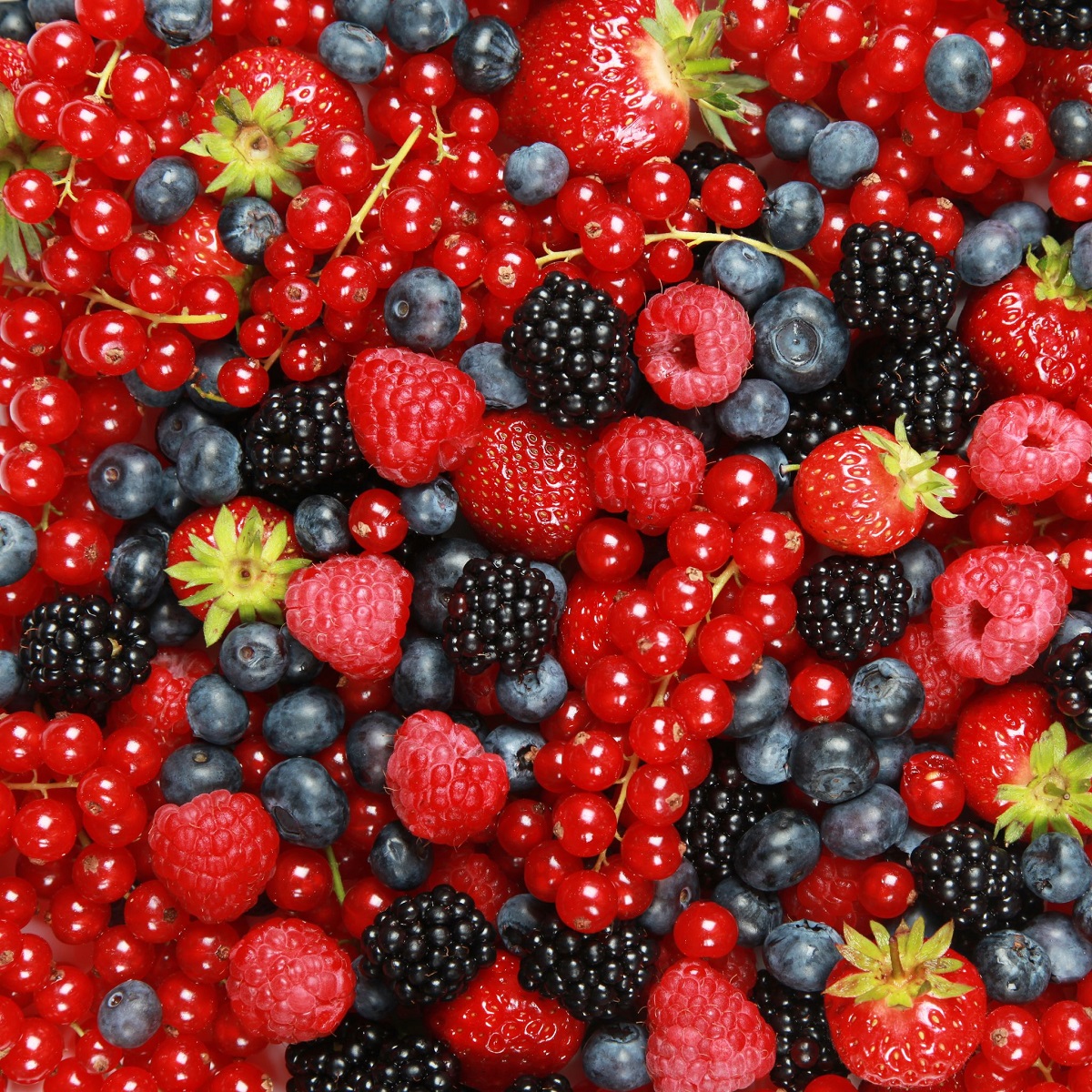
There’s a growing trend that’s turning people more towards organic and natural foods versus foods heavily with pesticides and chemicals. People are more concerned with what’s in their food and the products that they buy.
Some of the people with the greatest concerns are the parents of tiny tots. If you're a parent, perhaps you share some of these concerns, or you're at least curious to see if they have any basis in reality. We hope you'll benefit from this well-researched list of 3 reasons you should be feeding your kids organic food.
1. Organic Food Does Not Contain Harmful Chemicals
Feeding your children organic food is the first step in what must become a multi-part strategy to protect them from being poisoned and possibly harmed as a result.
The National Institutes of Health website also reports that children’s vital organs are still developing, and during their developmental period they are particularly vulnerable to permanent damage that can be caused by exposure to poisons such as toxic chemical pesticides.
It is well worth seeking out organic foods at farmer's markets, specialty retailers and health food stores; look for foods that bear an organic certifiers seal and are grown using only organic methods of pest control and organic fertilizers, like the products at Nature Safe.
2. Organic Food Generally Has Higher Nutrient Content Than Non-Organic Food
You'll also want to consider the nutritional differences between organic and non-organic foods. Studies indicate that organic produce contains greater amounts of beneficial minerals, antioxidants and nutrients than non-organic produce.
The Organic Consumers Association cites research published in the Journal of Applied Nutrition regarding organic and non-organic foods purchased in Chicago. The nutritional analysis conducted on the food demonstrated that organic food has calcium content that averages 63% higher than the calcium content of non-organic food; the organic food's magnesium content averages 118% higher; and it's also substantially higher in iron, chromium, phosphorus, potassium and zinc. The logical conclusion is that your kids need to eat less organic food to get the minerals and nutrients they need to keep them healthy.
3. Some Organic Foods Taste Noticeably Better Than Their Non-Organic Counterparts
If your children won't eat their vegetables, you may have concluded that they are simply picky eaters. However, there is another possibility you might not have considered. Children have sensitive palettes. If you aren't feeding your children organic veggies, it is possible that they notice the difference with all of the chemicals on their food. If your little ones refuse their vegetables, it's well worth trying the organic variety to see whether the flavor of the organic vegetables is more agreeable to them.
Vegetables aren't the only foods with noticeable taste differences; if you have a sensitive palette, you're likely to detect the flavor differences between organic and non-organic meats, pasta noodles, oranges, cashews, almonds and other foods as well.
These are 3 of the best reasons to consider feeding your children organic food. We hope you'll be able to use this information to make more informed choices when you shop for the food you'll feed your children.
Contact Marlena Stoddard
This form is intended for genuine enquiries only.