


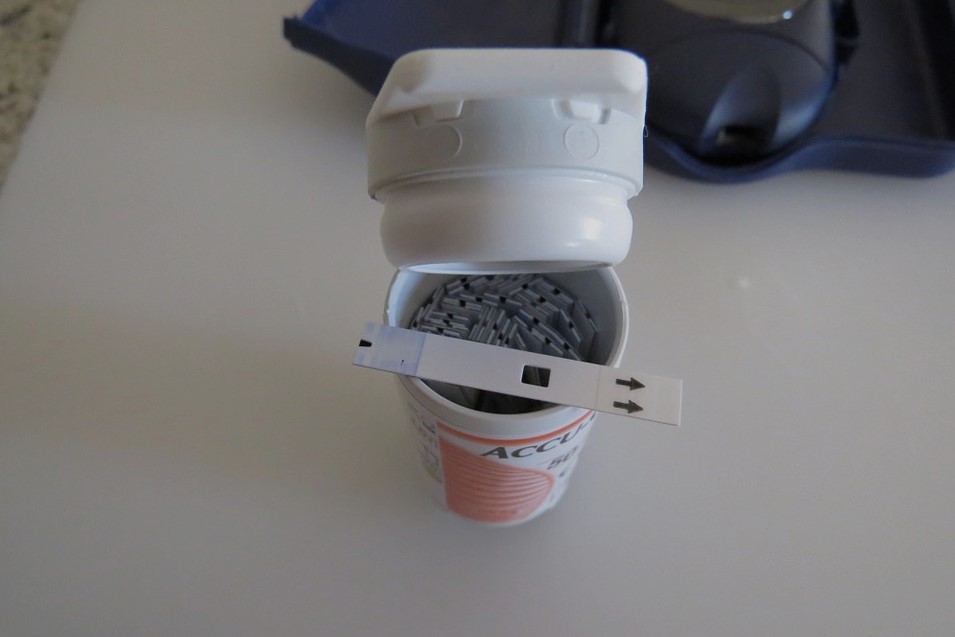
Getting an incurable diagnosis is heartbreaking. Finding out you have diabetes, food allergies, or Chrones disease is a tough pill to swallow. How do you live with the diagnosis? We talk about four ways to cope with bad health news today.
Find the Ideal Diet
Whether you are allergic to food, need to cut down on the sweets, or need specific items to help you feel better, choosing the right diet is important. Sometimes, people can cut out a few things and that is all it takes. Often, individuals must add the right ingredients to meals and choose healthier ways to prepare the foods. In the worst cases, strict lifestyle changes are necessary to prevent hospitalization and a whirlwind of tests and doctor's appointments to calm symptoms.
Look for Online Forums
Using the web to communicate can help people compare tips with others who have the same health issues. Online forums are useful places where people share symptoms and answer questions for others. Finding resources when nothing else is working is liberating when there is no cure for what you are enduring.
Work With Doctors for Symptom Treatment
Talking to your family physician about your health issues is important in finding ways to make life better. For example, eosinophilic esophagitis treatment will never get rid of the problem entirely, but it can help people suffering from nausea, trouble swallowing, diarrhea, and allergies to certain foods. Food allergy testing can help some people find out triggers when there is no obvious cause of the problems. Some medications can make symptoms better. Your doctor can give you ideas about where to start making changes.
Talk With a Therapist
Many people find they suffer from depression after learning about a lifelong health condition. Speaking with a counselor gives individuals the freedom to vent and get things out in the open. Whether you are afraid to talk to others about your symptoms, or you feel sad because there is no cure, a therapist can help with things like meditation and breathing techniques. Because stress is usually a component of symptom flares, staying calm and learning how to alleviate stress is important to the treatment. It will also help you overcome the feelings that come with learning of your diagnosis.
Getting bad health news can throw your lifestyle into chaos. Regaining control means changing your habits and finding what works for you. Talking with others including medical professionals will help.
Contact Marlena Stoddard
This form is intended for genuine enquiries only.