


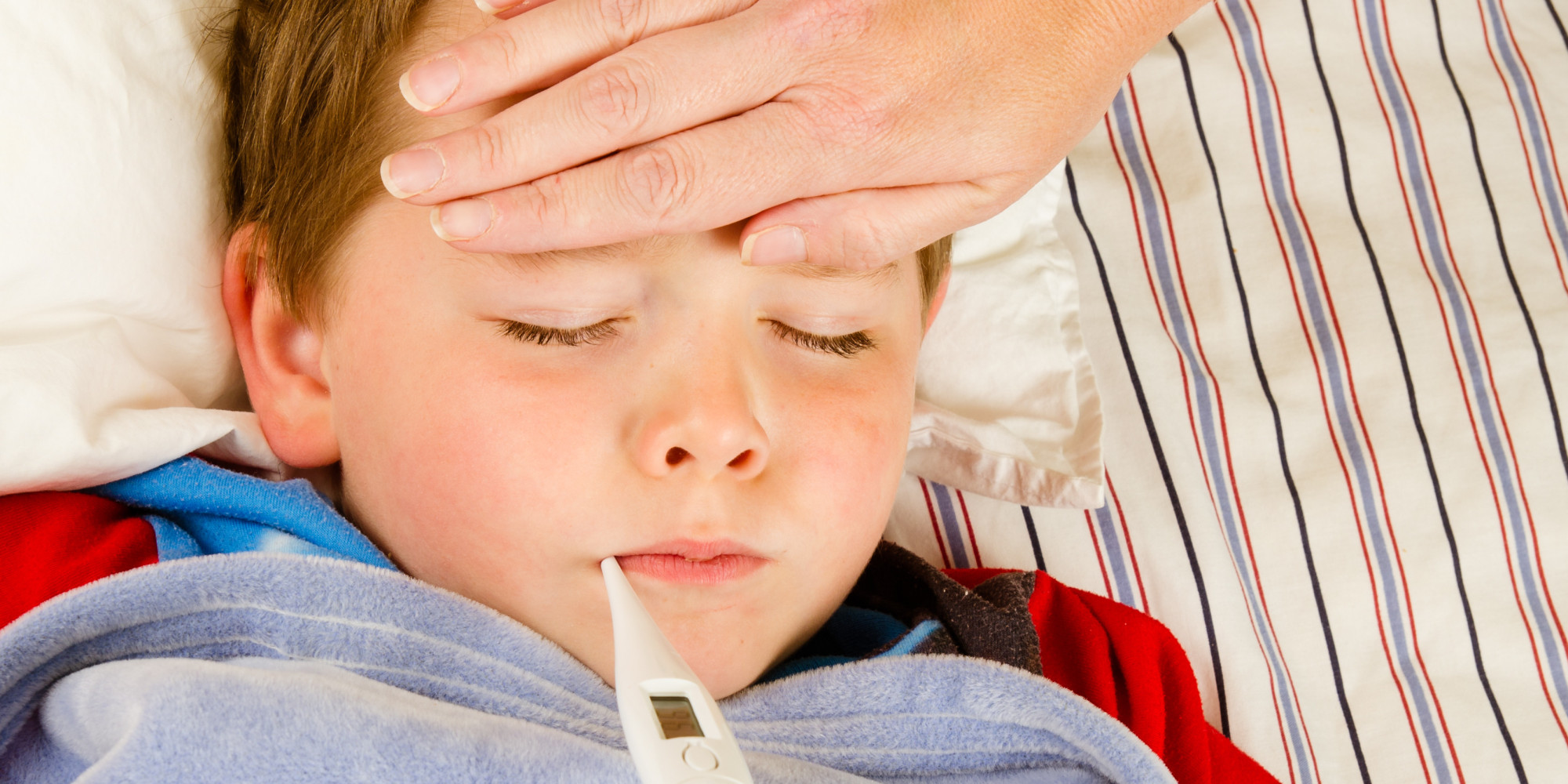
The common cold is a relatively mild infection that can be treated at home. What's frightening is that some of the common symptoms can also be signs of something much worse. Recognizing a severe illness in its early stages can be difficult, especially in young children. Here are some signs that you're dealing with something serious.
1. Difficulty Breathing
Pay attention to the way your child breathes if they're showing signs of illness. Difficulty speaking, taking a full breath, persistent coughing, small grunting noises, or tensing of torso muscles when inhaling are bad signs.
If your child isn't getting enough oxygen, they may even start turning blue. Difficulty breathing could be a sign of a dangerous respiratory infection such as pneumonia, the onset of asthma, or other problems.
2. High Temperature
If your child is showing signs of illness, take their temperature with a thermometer. A temperature of 100 degrees or higher indicates that they probably have an infection. Sometimes it can be just a severe cold or mild case of the flu, but it could indicate something more troubling. When an infant of three months or less develops a fever, you should get them to a doctor ASAP.
3. Fits, Spasms, or Seizures
When a child has a seizure, it could signal epilepsy or heart arrhythmia. Their eyes will often roll back in their head while their limbs shake uncontrollably. The child might be unresponsive or have difficulty breathing for a short time.
If this happens, roll the child onto his/her side and keep the top leg bent. Don't try to put anything in the child's mouth, including your hand, until the convulsions have stopped, or it could block their air intake.
4. Drowsy and Unresponsive
It's normal for kids to feel drowsy after intense activity or a big meal. Some children can be deep sleepers. But if your child seems constantly drowsy even when awake, doesn't respond to voice or touch, or is difficult to wake from sleep, there may be a severe illness behind it, such as dangerously low blood sugar or a virus.
If your child is unresponsive, get them to an emergency room or alternatively an urgent care center such as Premier Urgent Care Centers of California, Inc., which is a lower-cost alternative. You'll still get fast service and expert care.
Acute illness can come on suddenly, and with or without a variety of symptoms. But when you see these warning signs, even if they seem to recover, get them to a physician.
Contact Marlena Stoddard
This form is intended for genuine enquiries only.