


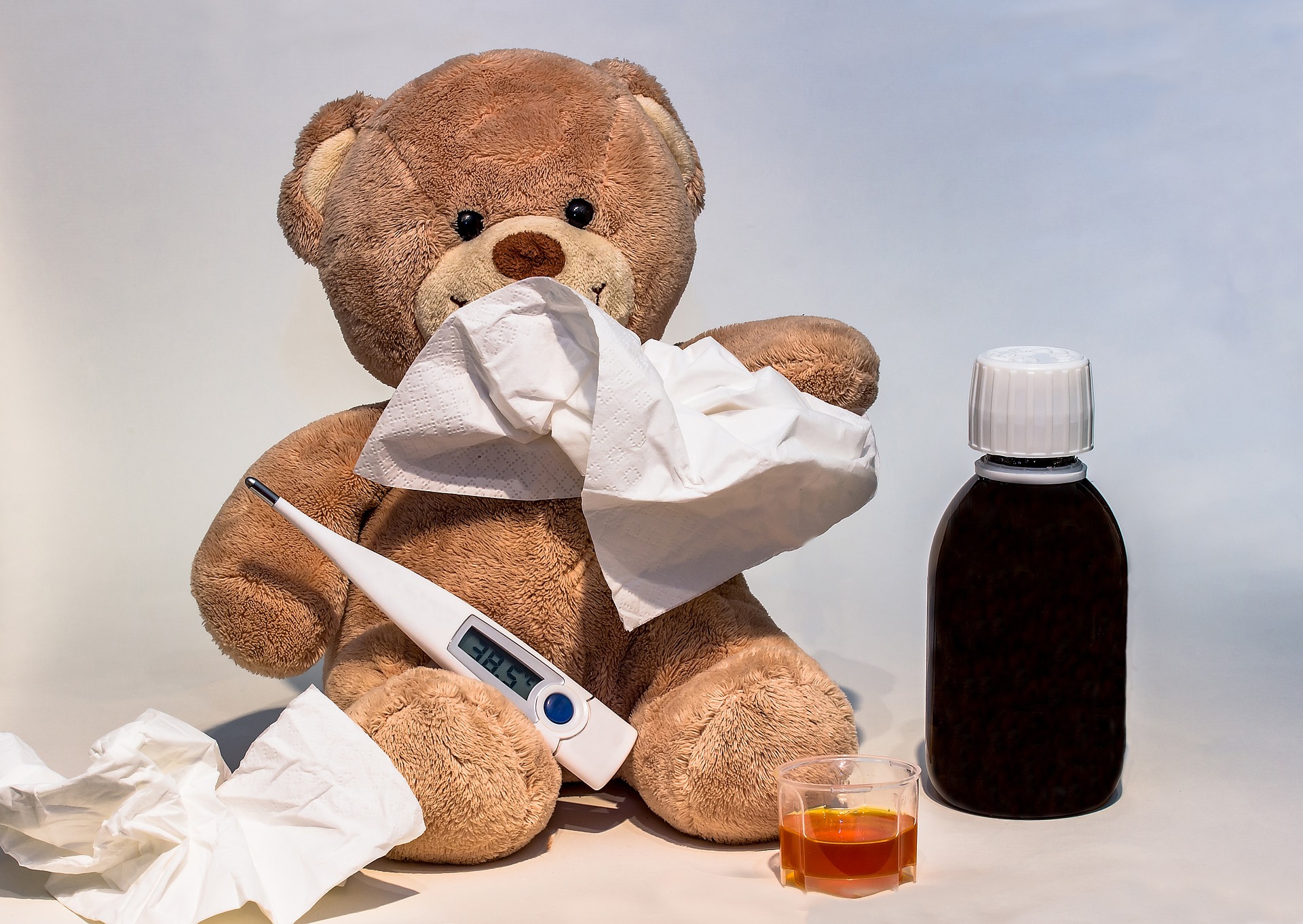
When you fall ill, you understandably may stay home to recuperate. Your home should be a healthy, relaxing environment that fosters a full recovery. However, if you are growing frustrated because you are still sick or if you seem to continue getting sick, there is a good chance that your home environment is to blame. These are some of the many ways that your home may be contributing to your unpleasant, nagging symptoms.
Inadequate Heating or Cooling
On cold winter days, you need the comfortable warmth from your heating system to disperse climate-controlled air throughout the home. When your body spends unnecessary energy trying to stay warm, you may not recover as quickly as you otherwise would if your heating system was doing its job. Likewise, a broken air conditioning during the warm weather season may contribute to a slower recovery as well. Regular HVAC maintenance and prompt repairs as needed are important.
A Dirty Home
If it seems as though you cannot recover from an illness, such as a stomach bug, there is a chance that a contaminant in your environment is re-infecting you. For example, exposure to carbon monoxide in the home could cause nausea and other symptoms. You may also be getting allergic symptoms because of dirty air ducts in your heating system, filthy carpet or something else. Identifying if these or other concerns are present is the first step to take to improve the health of your home environment.
Expired Foods
When you eat some rancid or expired foods, the smell, taste or sight of the food may immediately alert you that something is not right. On the other hand, you may not always be able to tell when food has gone bad through a sensory observation. You may then continue to eat the same foods as soon as you feel well enough to start eating, and the cycle perpetuates. Paying attention to expiration dates is important. When you place leftovers in the fridge, understand how long they should remain in the fridge, and mark the containers with the expiration date in various ways.
As you can see, numerous environmental factors at home may be contributing to the frustrating length of your health concerns. Now that you understand some of the many ways that your environment may be resulting in your health issues, you can analyze your home to identify areas of concern. Remember to keep a clean environment and monitor the freshness of your foods regularly to avoid these issues in the future.
Contact Marlena Stoddard
This form is intended for genuine enquiries only.