


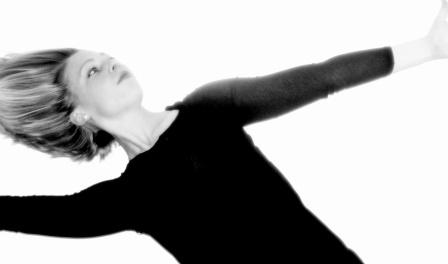
Did you know that dance is used as therapy? You don't have to be a dancer or in a traditional dance class to dance and experience the benefits. Dance therapy or dance movement therapy as it is also known is a beautiful medium that can enhance ones life and help overcome lives challenges.
Dance therapy is used in many different circumstances. The focus of most dance therapies is to reduce stress, nourish the body with oxygen and blood flow, develop an understanding of what the center of the body is and use it to improve body alignment and working holistically to better ones life.
Dance therapy is commonly used to help those dealing with autism, learning disabilities, mental retardation, being deaf or hearing impaired, being blind, eating disorders, Parkinson's disease and pregnancy. The question floating in your mind is HOW? How can dance help someone with lets say, Parkinson's disease? Well, specifically in the case of someone with Parkinson's disease dance therapy could help the individual improve their motor skills, balance and limb abilities through rhythms and weight bearing. In most circumstances the individual participating in dance therapy not only experiences physical improvements but also enjoy themselves and experience an improved sense of being.
Another example of how dance therapy can help people dealing with physical or mental issues is that of eating disorders. More people that you would think have suffered with some type of eating disorder at some point in their life. Dance therapy can be an effective tool to help enlighten individuals to the wonder of their bodies. Dance therapy reveals the workings of the human body and provides opportunities for individuals to really inhabit their bodies, this can have a powerful effect on their mental perception of their body and ultimately change the destructive behaviors of eating disorders.
All dance can be therapeutic but specifically dance therapy is often less formal and less focused on technique and more focused on the feeling of the movement. The focus begins inward and extends to the space around ones kinesphere but the focus is not to perform or to present movement to an audience. The movement is not judged. Most people that have been involved in dance therapy are amazed at the support and comfort gained through their experience.
Yes, dance therapy could help you...
Contact WorldwideHealth .com
This form is intended for genuine enquiries only.