


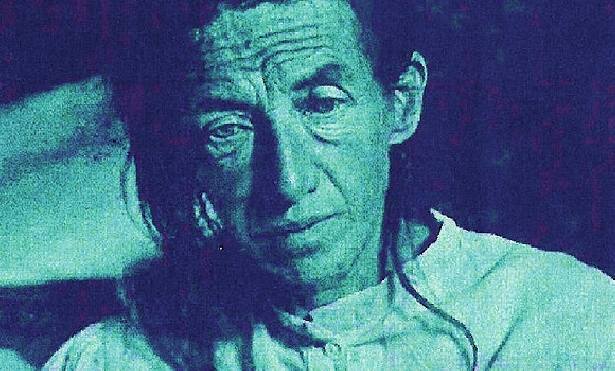
Parkinson’s disease, named after James Parkinson, an English doctor who in his book “An Essay on the Shaking Palsy” published in 1817, gave a detailed description of the condition. Parkinson’s disease is a degenerative disorder of the central nervous system, resulting from the death of cells in the midbrain, which contain dopamine, the cause of which is unknown. Symptoms are movement related which include slowless of movement, shaking, rigidity, and difficulty with walking. In the later stages of Parkinson’s disease there can be cognitive and behavioural problems. Dementia can occur in the advanced stages of Parkinson’s disease. Other symptoms may involve sleep and emotional problems.
Modern treatments are effective in managing the early motor symptoms of the disease, mainly through the use of drugs, levodopa and dopamine agonists. As the disease progresses and dopamine neurons continue to be lost, a point eventually arrives at which these drugs become ineffective at treating the symptoms and at the same time produce a complication called dyskinesia, marked by involuntary writhing movements. Diet and some forms of rehabilitation have shown some effectiveness at alleviating symptoms. Surgery and deep brain stimulation have been used to reduce motor investigations of the potential usefulness of gene therapy, stem cell transplants and neuroprotective agents. Medications to treat non-movement-related symptoms of Parkinson’s disease, such as sleep disturbances and emotional problems, also exist.
On the anniversary of James Parkinson’s birthday, 11th April, a Public Awareness Day is held, and the symbol of a red tulip is used. Several major organizations promote research into the disease, and improvement of quality of life of those with the disease and their families. People with Parkinson’s disease who have enhanced the public's awareness include Muhammad Ali.
Investigations have found that there is an increased risk of Parkinson’s disease in those who have been exposed to certain pesticides and a reduced risk in tobacco smokers.
Parkinson’s Disease is a disease of the elderly and mostly occurs after the age of fifty, however younger people can get it. In fact up to one in 20 may be under the age of 40. It is estimated that one person in every 500 in the UK has Parkinson’s disease.
Contact WorldwideHealth .com
This form is intended for genuine enquiries only.